
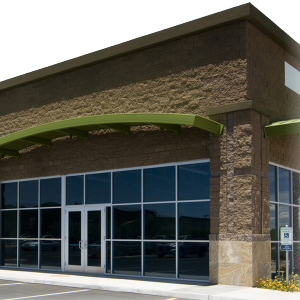
Strip malls and shopping centers play an important role in commercial development. They give retailers, restaurants, service businesses, and other tenants a place to serve growing communities while giving developers and property owners opportunities to create long-term commercial assets.
However, bringing a retail center from concept to completion requires far more than constructing a shell and dividing it into individual tenant spaces. Site work, utilities, parking, accessibility, storefronts, building systems, permitting, tenant requirements, scheduling, and future flexibility all have to work together.
That makes choosing the right construction partner one of the most important decisions a developer or property owner will make. If you are planning a retail development in Dallas-Fort Worth or another market Stovall serves, contact Stovall Construction or call 817-572-1331 to discuss your project.
What Makes Strip Mall Construction Different?
A strip mall may appear straightforward from the outside, but retail center construction can involve a complicated mix of shared infrastructure and individual tenant needs.
A typical project may require coordination of:
- Site preparation, grading, and drainage
- Parking areas and vehicle circulation
- Utility connections and distribution
- Structural shell construction
- Storefronts and exterior finishes
- Electrical, plumbing, and HVAC systems
- Fire protection and life-safety systems
- Accessibility requirements
- Signage locations
- Landscaping and exterior lighting
- Tenant spaces and future buildouts
The contractor must consider how these components affect the shopping center as a whole while also preparing individual spaces for tenants with very different requirements.
A restaurant, for example, may need significant plumbing, electrical capacity, ventilation, grease management, and equipment infrastructure. A small retail boutique will have very different requirements. Planning the base building properly helps prevent unnecessary complications when individual tenants begin their buildouts.
For that reason, developers should look beyond general commercial building experience and evaluate whether a contractor has a meaningful background in retail construction.
1. Look for a Proven Retail Construction Track Record
One of the first questions to ask a prospective contractor is simple: Have you successfully completed projects like this before?
Retail construction experience matters because shopping centers present challenges that may not exist in office, industrial, or residential construction. The contractor needs to understand both the developer’s objectives and the practical needs of the businesses that will eventually occupy the property.
When evaluating a construction company’s portfolio, look for experience with projects such as:
- Strip malls and neighborhood shopping centers
- Retail shells
- Standalone retail buildings
- Shopping malls
- Restaurant spaces
- Convenience stores
- Retail tenant improvements
- Renovations and reimages
Do not evaluate experience based solely on the number of projects completed. Ask whether the contractor has worked on developments comparable to yours in size, complexity, location, and scope.
Developers should also request references and review completed work when possible. A portfolio can show what a contractor has built, while references may provide insight into scheduling, communication, problem-solving, and the overall construction experience.
2. Verify Qualifications, Insurance, and Project Requirements
Contractor licensing and registration requirements vary depending on the state and local jurisdiction, so developers should avoid assuming that the same rules apply to every Texas city or every project.
Before awarding a contract, verify the credentials and documentation applicable to the proposed development. Depending on the project and jurisdiction, this may involve insurance, bonding, local contractor registration, permits, and specialized trade licenses.
A qualified commercial construction firm should be prepared to discuss:
| Item to Review | Why It Matters |
|---|---|
| Relevant project experience | Shows familiarity with retail development and comparable construction challenges |
| Insurance | Helps ensure appropriate coverage is in place for the project |
| Bonding capability | May be required depending on project structure and owner requirements |
| Local requirements | Permits, registrations, and inspections vary between jurisdictions |
| Subcontractor network | Reliable trades are essential for scheduling and quality |
| Safety practices | Construction safety should be incorporated into project planning and execution |
This review should happen before construction begins rather than after a contract has already been awarded.
A contractor experienced in Texas commercial construction should also understand that requirements can differ substantially between municipalities. A project in Arlington may involve different processes and review timelines from a development in Dallas, Fort Worth, Plano, or another community.
3. Evaluate the Quality and Detail of the Construction Bid
Price matters, but the lowest number on a bid sheet does not automatically represent the best value.
Commercial construction proposals should give developers enough information to understand what is—and is not—included. If two bids appear dramatically different, the reason may have less to do with contractor pricing and more to do with differences in scope, allowances, assumptions, or exclusions.
A useful bid should clearly address the construction documents and defined project scope while identifying important qualifications.
When comparing proposals, review:
- Scope of work. Determine whether each bidder is pricing the same construction requirements.
- Allowances. Understand where estimated amounts are being used because final selections or conditions are not yet known.
- Exclusions. Look carefully at work the contractor has specifically removed from the proposal.
- Alternates. Identify optional work or different materials that may affect the final project cost.
- Schedule assumptions. Confirm what construction duration and starting conditions have been used.
- Owner responsibilities. Determine which items, equipment, utilities, or approvals are expected to be handled separately.
Developers should be able to compare bids on a reasonably consistent basis. A proposal that looks inexpensive because important work has been excluded may ultimately cost more once construction begins.
Preconstruction conversations can help clarify these differences before a contractor is selected. Stovall Construction’s broader commercial construction services include project planning and management for retail and other commercial developments.
4. Pay Attention to Communication and Project Management
A retail construction project involves many parties: owners, developers, architects, engineers, subcontractors, suppliers, municipal departments, utilities, and eventually tenants. Without clear communication, decisions can be missed and problems can become more difficult to resolve.
Before hiring a contractor, find out how the project will actually be managed.
Useful questions include:
- Who will be the primary point of contact?
- How often will project updates be provided?
- How are schedule changes communicated?
- How are change orders reviewed and approved?
- How will questions from architects and engineers be tracked?
- How are site issues documented?
- How does the contractor coordinate subcontractors and deliveries?
- How will closeout documents and final inspections be handled?
Good construction communication is not about sending more emails. It is about making sure the right people receive accurate information early enough to make decisions.
This becomes particularly important when a project includes multiple tenant spaces. A developer may be completing the shell while tenants are simultaneously designing their interiors. Changes to utility requirements, storefronts, mechanical systems, or delivery dates can affect several parts of the construction schedule.
5. Consider the Contractor’s Stability and Experience
Longevity is not the only measure of a good contractor, but an established history can provide useful context when evaluating a company entrusted with a significant commercial investment.
Construction companies need strong relationships with subcontractors, suppliers, design professionals, and clients. Those relationships develop over time and can be particularly valuable when a project encounters scheduling challenges, material issues, or unexpected site conditions.
Stovall Construction was established in 1970 and has completed commercial projects across retail, restaurant, convenience store, and other sectors. That experience gives our team a practical understanding of the coordination required to take commercial projects from estimating through construction completion.
When interviewing any prospective contractor, consider not just how long the company has operated but also whether its experience is relevant to the project you are planning today.
6. Make Sure the Contractor Understands Future Tenant Needs
A successful strip mall is not merely a finished shell. It must support the businesses that will occupy it.
Developers may not know every future tenant when construction begins, which makes flexibility important. Electrical capacity, utility placement, HVAC arrangements, storefront dimensions, delivery access, and space configurations can all influence how easily future tenants can adapt their spaces.
When tenants are already committed, their requirements should be incorporated into planning as early as practical. When tenants have not yet been selected, the project team should consider reasonable flexibility without overbuilding every suite for every possible use.
Eventually, individual tenants may require tenant improvement services to transform shell space into an operational store, restaurant, office, or service business.
What Should Developers Discuss Before Construction Begins?
Early planning gives the owner and contractor an opportunity to identify priorities before they become construction-site problems.
| Planning Area | Key Questions |
|---|---|
| Site | Are access, grading, drainage, parking, and utilities suitable for the development? |
| Tenant mix | Are any tenants likely to require specialized mechanical, plumbing, or electrical infrastructure? |
| Budget | Which project elements are fixed priorities and where is there flexibility? |
| Schedule | Are there lease commitments, tenant delivery dates, or planned openings that affect construction? |
| Permitting | What municipal reviews and inspections are required? |
| Future use | How easily can spaces be modified as tenants change over time? |
These discussions help the construction team understand not just what is being built but how the completed property is expected to operate.
Ground-Up Strip Mall Construction vs. Retail Renovation
Not every retail investment starts with an empty site. Developers and property owners may also acquire an existing shopping center that needs modernization, expansion, or preparation for new tenants.
Ground-up construction offers greater control over site layout, architecture, utilities, and tenant configurations. Existing centers, on the other hand, may already benefit from an established location, traffic patterns, and infrastructure.
A retail renovation might involve:
- Updating storefronts and exterior finishes
- Repairing or replacing worn building components
- Reconfiguring suites for new tenants
- Modernizing lighting
- Improving common areas
- Updating signage
- Addressing accessibility needs
- Expanding or dividing existing retail space
Renovation work brings its own challenge: construction may need to occur while neighboring businesses remain open. Scheduling, temporary access, safety barriers, deliveries, noise, and customer circulation all become important parts of the construction plan.
Frequently Asked Questions About Strip Mall Construction
How long does it take to build a strip mall?
There is no single construction timeline that applies to every retail center. Project size, site development, permitting, utility work, building design, weather, material availability, tenant requirements, and inspections can all affect the schedule. A contractor can provide a more useful preliminary timeline after reviewing the plans and site conditions.
What is included in strip mall construction?
Depending on the project, construction may include site work, utilities, foundations, structural systems, roofing, storefronts, parking, exterior lighting, landscaping, mechanical and electrical infrastructure, common areas, and preparation of individual tenant spaces. The exact scope should be defined in the construction documents and contractor agreement.
What is a retail shell?
A retail shell generally refers to the base building or commercial space before all tenant-specific interior improvements have been completed. The exact condition in which a shell is delivered can vary considerably, so owners and tenants should clearly document what utilities, walls, ceilings, HVAC systems, restrooms, and finishes are included.
Can tenants begin their buildouts while the shopping center is still under construction?
In some projects, tenant improvements can overlap with portions of base-building construction. Whether this is practical depends on site access, inspections, utilities, safety requirements, lease obligations, and the overall construction schedule. Careful coordination between the owner, general contractor, tenant, and tenant’s design team is essential.
What should I look for in a retail construction contractor?
Look for relevant retail experience, appropriate insurance and qualifications, detailed proposals, dependable project management, strong communication, references, and experience with projects similar to yours. Contractors should also be able to explain how they approach scheduling, cost management, subcontractor coordination, permitting, and project closeout.
Choose an Experienced Retail Construction Partner
A strip mall or shopping center represents a substantial commercial investment. The contractor you choose can influence not only how the project is constructed but also how effectively the development accommodates tenants, customers, and future changes.
Stovall Construction has provided commercial construction services since 1970, with experience spanning retail centers, standalone stores, restaurants, convenience stores, tenant spaces, and other commercial developments. Our team works with owners and developers from estimating and preconstruction through project completion.
Whether you are planning a new shopping center in Dallas-Fort Worth, developing elsewhere in Texas, or preparing an existing retail property for its next generation of tenants, an experienced contractor can help turn the plans into a practical construction strategy.
Planning a strip mall or retail construction project? Contact Stovall Construction or call 817-572-1331 to discuss your project with our commercial construction team.