stovall-construction-sq2

EST 1970

  • About
    • The Company
    • Leadership
    • News
  • Services
    • Restaurants
    • Retail
    • Convenience Stores
    • Portfolio
  • Contact
    • Contact Us
    • Careers
SUBCONTRACTOR PREQUALIFICATION
Have an Upcoming Project?

817-572-1331E-mail Us

  • About
    • The Company
    • Leadership
    • News
  • Services
    • Restaurants
    • Retail
    • Convenience Stores
    • Portfolio
  • Contact
    • Contact Us
    • Careers

How to Budget for a Commercial Construction Project in DFW

September 10, 2020

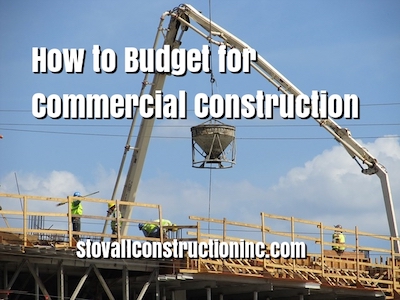
budget-commercial-constructionConstruction costs can be significantly reduced without affecting the quality of the project with the help of effective budgeting. Apart from preventing cost overruns, proper budgeting allows stakeholders to monitor performance easily and ensures the construction project is completed on time and within financial constraints.

Research shows that about $100 billion would be saved every year globally if just 1% of construction costs were reduced. This is a substantial amount that could be redirected to other beneficial sectors or additional projects. For Dallas-Fort Worth commercial developers, effective budgeting can mean the difference between a profitable project and a financial disappointment.

Planning a commercial construction project in the Dallas-Fort Worth area? Contact Stovall Construction today or call (817) 572-1331 to discuss your project budget with experienced professionals who understand DFW construction costs and market conditions.

Key Takeaways

Essential commercial construction budgeting principles:

  • Proper budgeting prevents cost overruns and keeps projects on schedule
  • Historical data from similar projects provides accurate cost baselines
  • Contingency funds (typically 5-10%) protect against unexpected expenses
  • Real-time budget updates and monitoring prevent small issues from becoming major problems
  • Experienced contractors provide more accurate estimates and better cost control

Here’s everything you need to know about proper budgeting of commercial construction projects in the Dallas-Fort Worth market.

How Much Funding Goes into Commercial Construction?

There is no definite figure for the amount of funds required to facilitate a construction project, as this varies significantly from project to project depending on multiple factors including building type, size, location, and complexity. However, there are various steps contractors can undertake to establish how much funding will be required to complete a commercial construction project successfully.

Essential Budget Planning Steps:

Analysis of the income and expense projections throughout the project life-cycle helps identify cash flow requirements and timing. Understanding when major expenses occur allows for better financing arrangements and prevents cash shortages that can delay construction.

Checking for how much funding was required for similar projects undertaken in the past provides realistic baselines. In the Dallas-Fort Worth market, construction costs can vary between urban core locations and suburban sites, making local experience invaluable.

Undertaking pre-design requirement analysis clarifies the project scope before committing to detailed design work. This prevents expensive redesigns later when changes become more costly to implement.

Analysis of available financial resources determines whether the project is feasible as conceived or if scope adjustments are needed. This includes evaluating financing options, interest rates, and loan terms available in the current market.

Assessment of preliminary design alternatives allows comparison of different approaches to achieve project goals, potentially identifying more cost-effective solutions that still meet functional requirements.

Major Budget Categories

Commercial construction clients in Dallas-Fort Worth typically need adequate funds to facilitate the following:

Cost of construction represents the largest budget component, including all labor, materials, and equipment needed to build the facility. In the DFW market, construction costs have fluctuated significantly in recent years due to material price volatility and labor availability.

Approval fees cover building permits, plan review fees, impact fees, and other governmental charges. These vary by municipality—Dallas, Fort Worth, and surrounding cities each have different fee structures that must be factored into budgets.

Planning and site assessment costs include architectural and engineering fees, geotechnical investigations, environmental assessments, and surveying. These professional services typically represent 8-15% of total project costs.

Labor costs in the Dallas-Fort Worth area reflect regional wage rates and labor availability. The DFW construction market has experienced labor shortages in recent years, affecting both costs and scheduling.

Fixtures and equipment installation costs cover specialized systems like commercial kitchens, medical equipment, retail fixtures, or manufacturing equipment specific to the facility’s intended use.

Cost of decanting and relocating applies when businesses must temporarily relocate during construction or renovation, including moving expenses, temporary space rental, and business interruption costs.

Contingency funds protect against unforeseen conditions, design changes, and market fluctuations. Experienced Dallas-Fort Worth contractors recommend 5-10% contingency depending on project complexity and market conditions.

Understanding Project Specifics for Commercial Construction

Proper budgeting requires the project manager to know all the specifics of the construction process. Understanding each phase helps identify where costs occur and how they can be managed effectively.

Project Conception

This is the stage where a commercial construction project is brought to life by the project owner who decides to build a specific structure. During conception, preliminary budgets are developed based on square footage estimates, intended use, and general quality expectations.

In Dallas-Fort Worth, project conception should consider local market conditions including available sites, zoning regulations, and competitive landscape. These factors influence both initial costs and long-term project viability.

Project Design

In this stage, the project contractor—together with the client—develops the architectural and engineering design specifications for the structure to be built. Construction design is typically a multi-level process, including the incorporation of schematic design, design development, and construction documents.

Each design phase refines the budget. Schematic design establishes overall building configuration and systems approach. Design development specifies materials, systems, and finishes. Construction documents provide the detail needed for accurate pricing and construction.

Value engineering during design can identify cost savings without compromising functionality. Experienced Dallas-Fort Worth contractors participate in design discussions to provide real-time cost feedback, preventing budget-busting decisions before they’re locked in.

Hiring the Project Team

After the client approves the design, the contractor proceeds to hire a project team that typically consists of a project manager, superintendent, foreman, skilled tradespeople, and a workplace health and safety officer.

Team quality directly impacts budget performance. Experienced teams work more efficiently, make fewer mistakes, and identify potential problems before they become costly issues. In the competitive DFW construction market, securing quality teams requires planning and sometimes premium compensation.

Resource Procurement

After assembling the project team, the next step is purchasing the necessary construction supplies. These may include structural steel, concrete, lumber, roofing materials, mechanical and electrical systems, finishes, and specialized equipment.

Material procurement timing significantly affects costs. Bulk purchasing and early ordering can secure better pricing, while last-minute purchases often carry premiums. Supply chain management has become increasingly important in recent years as material availability and pricing have become less predictable.

See Also:   How to Avoid Common Commercial Construction Mistakes

Actual Construction

Contractors put in place operational measures to be followed by their teams while on-site to ensure construction quality, resource efficiency, and site safety. These may include procedures for site access, quality control guidelines, material storage and handling, and detailed work schedules.

Budget control during construction requires constant monitoring. Daily reports track labor hours, material usage, and progress against schedule. Weekly reviews compare actual costs to budgeted costs, identifying variances early when corrective action is still possible.

Post-Construction Stage

This final part of a commercial construction project includes inspection of the completed structure by the relevant building commission, punch list completion, system commissioning, and project closeout whereby both parties sign off on their contract agreements.

Final costs often include warranty work, final inspections, occupancy permits, and as-built documentation. Budgeting for these closeout activities prevents surprises at the end when everyone is eager to occupy the building.

What Does Construction Budget Management Involve?

To efficiently manage a construction project budget in Dallas-Fort Worth, ensure the following practices are in place:

Leveraging Historical Data

Experienced contractors know the importance of examining budget documents from similar construction projects in the past and using that information to guide current budget projections. Historical data provides realistic baselines for labor productivity, material quantities, and indirect costs.

In the Dallas-Fort Worth market, historical data should be recent—construction costs have changed significantly in the past few years. Data from projects completed 5-10 years ago may not reflect current market conditions.

Consultation with Experts

Reaching out for the advice of relevant professionals can help with proper budget management. These professionals may include architects, specialized subcontractors, mechanical and electrical engineers, and even municipal building officials who can clarify code requirements.

Local expertise matters. Dallas-Fort Worth has specific conditions—soil types, weather patterns, code requirements, and labor markets—that affect costs. Contractors with deep local experience provide more accurate budgets than those unfamiliar with the region.

Accuracy Review

The last thing you want is to make budget miscalculations based on numerical errors—which is why you should always recheck preliminary budgets for accuracy. Have multiple people review estimates, use software with built-in error checking, and verify that all project components are included.

Common budget errors include missing entire systems (like fire suppression), underestimating quantities, using outdated unit costs, and failing to account for site-specific conditions. Thorough review catches these mistakes before they become problems.

Budget Re-Baselining

Once the project owner approves project changes, the contractor should re-baseline the budget to reflect these changes. This creates a new baseline against which performance is measured, preventing confusion about whether the project is on budget.

Change orders are inevitable in construction. Managing them properly—documenting scope changes, pricing them fairly, and updating budgets accordingly—prevents disputes and keeps everyone aligned on project costs.

Real-Time Updates

It’s essential to update a construction project budget as soon as changes are approved or actual costs deviate from estimates. Waiting until monthly reports to update budgets means decisions are being made with outdated information.

Modern project management software allows real-time budget tracking. As invoices are received and labor is logged, actual costs are immediately compared to budgets, highlighting variances that need attention.

Creating a Construction Budget Estimate

Construction cost estimates range from design estimates to bid estimates and control estimates, each serving different purposes at different project stages.

Design Estimates

Design budget estimates are usually made by contractors in charge of project planning and design. These preliminary estimates help owners understand project feasibility and make go/no-go decisions before investing heavily in detailed design.

Design estimates include conceptual estimates based on cost per square foot, screening estimates that compare alternative approaches, engineering estimates based on preliminary designs, and definitive estimates from detailed construction documents.

Bid Estimates

Bid estimates are drafted during the bidding stage to inform the client of project costs in terms of direct construction costs and field supervision costs. These detailed estimates break down costs by construction system and trade, providing transparency about where money is being spent.

Bid estimates include detailed quantity takeoffs (measuring every component from drawings), current subcontractor quotations for specialized work, and analysis of construction processes and sequencing that affect costs.

Control Estimates

Control estimates cover project monitoring expenses and provide the baseline against which actual performance is measured. These estimates are updated throughout construction as changes occur and actual costs are tracked.

Control estimates include financing cost estimates (interest during construction), post-contracting budgeted costs that reflect any value engineering or scope changes, and estimated cost to completion that projects final costs based on current performance.

Key Factors in Construction Cost Calculation

When estimating construction costs for Dallas-Fort Worth projects, consider these critical factors:

Similar Construction Projects

These can act as cost references for new construction projects. Look for projects of similar type, size, quality, and location completed within the past 1-2 years for the most relevant comparisons.

Design and Architecture

The floor area and the number of stories of the commercial building significantly impact costs. Taller buildings require more structural support, more complex mechanical systems, and specialized construction equipment. Building shape also matters—simple rectangular buildings cost less per square foot than complex shapes with many corners and projections.

Construction Site Conditions

This includes soil conditions, the weather, and the location of the construction site. Dallas-Fort Worth has expansive clay soils that require special foundation design. Urban sites may have limited access, requiring smaller equipment and more hand labor. Suburban sites typically offer easier access but may lack nearby utilities.

Labor Wage Rates

These depend on conditions construction workers must work under during the project and current market rates. The DFW construction market has experienced labor shortages, particularly for skilled trades, affecting both availability and cost. Summer heat requires additional safety measures and may reduce productivity.

Construction Materials

These include bulk materials like concrete and steel, standard off-the-shelf materials, and custom fabricated components. Material costs fluctuate based on commodity markets, supply chain conditions, and local availability. The Dallas-Fort Worth market benefits from good transportation infrastructure, but specialty materials may still require long lead times.

See Also:   A Simple Guide to Construction Grading

Delivery Requirements

The transportation of construction materials to the project site affects costs, particularly for heavy or bulky items. Urban sites with limited staging area may require just-in-time delivery, increasing coordination costs. Remote sites may incur higher delivery charges.

Project Schedule

The period of construction determines money spent on the project. Faster schedules may require premium labor rates, overtime, or shift work. Longer schedules spread costs over more time but increase indirect costs like supervision, insurance, and financing.

Regulatory Requirements

The approvals and permits given by various regulatory agencies vary by municipality in the Dallas-Fort Worth area. Dallas, Fort Worth, Arlington, Plano, and other cities each have different requirements, fees, and review timelines that affect both costs and schedules.

Insurance Requirements

Insurance covers construction workers, tools, equipment, liability, and builder’s risk. Rates vary based on project type, value, location, and contractor safety record. High-value projects or those in high-risk categories require more expensive coverage.

Cost Control During Construction

Cost control construction is a process in which project costs are managed efficiently to ensure that the commercial facility is built within budget. Project managers should execute construction with due consideration to quality of work and materials while sticking to estimated costs and limits.

Effective Cost Control Strategies:

Continuously forecast project development to predict its future in terms of costs. Look-ahead scheduling combined with cost tracking identifies potential overruns before they occur, allowing proactive management.

Regularly update the cost plan when there are discrepancies, for example, reducing costs in areas with high allocations to balance the budget. This may involve value engineering, scope adjustments, or finding alternative materials or methods.

Consistently submit cost reports to the construction team to analyze money spent against the budget plan. Weekly cost meetings review variances, discuss upcoming expenses, and make decisions about cost-saving opportunities.

Prepare and review contingency plans as a risk management procedure. Identify potential risks, estimate their cost impact, and develop mitigation strategies before problems occur.

Encourage the project team to design and build the commercial facility within budget. When everyone understands budget constraints and is committed to meeting them, cost control becomes part of the project culture rather than an afterthought.

FAQs

What is the average cost per square foot for commercial construction in Dallas-Fort Worth?

Commercial construction costs in the DFW area typically range from $150-$400+ per square foot depending on building type and quality. Basic warehouse or industrial space may cost $150-200 per square foot, while office buildings range from $200-300, and specialized facilities like medical offices or restaurants can exceed $400 per square foot. These figures include construction only—not land, permits, or professional fees. Contact us for a detailed estimate based on your specific project requirements.

How much contingency should I include in my construction budget?

Most experienced contractors recommend a contingency of 5-10% of total construction costs. Simple projects with well-defined scope and stable market conditions may need only 5%, while complex projects, renovations with unknown conditions, or projects in volatile markets should budget 10% or more. Contingency protects against unforeseen site conditions, design changes, material price increases, and other unexpected costs. It’s better to have contingency remaining at project completion than to run short of funds before the building is finished.

What are the biggest causes of construction budget overruns?

The most common causes of budget overruns include incomplete or inaccurate initial estimates, scope changes during construction, unforeseen site conditions (soil issues, underground utilities, contamination), material price escalation, labor shortages or productivity issues, weather delays, and poor project management. Working with experienced Dallas-Fort Worth contractors who provide detailed estimates, maintain strong supplier relationships, and implement rigorous cost control processes significantly reduces the risk of overruns.

How long does it take to develop an accurate construction budget?

Budget development time depends on project complexity and the level of detail required. Preliminary conceptual budgets based on square footage and building type can be developed in days. Detailed budgets based on schematic designs typically take 1-2 weeks. Final budgets from complete construction documents may require 3-4 weeks for quantity takeoffs, subcontractor quotes, and detailed analysis. Rushing the estimating process increases the risk of errors and omissions that lead to budget problems later.

Can construction costs be reduced without compromising quality?

Yes, through value engineering—a systematic approach to identifying cost savings while maintaining functionality and quality. This might include selecting alternative materials with similar performance at lower cost, simplifying building geometry, optimizing structural systems, or adjusting specifications where premium products don’t add meaningful value. The key is involving experienced contractors early in design when changes are easiest and least expensive to implement. Our team regularly helps clients achieve 10-15% cost reductions through value engineering without sacrificing quality or functionality.

Budget Your Commercial Construction with the Right Company

To ensure your projects go smoothly, partner with a full-service construction company with deep Dallas-Fort Worth experience. Besides offering quality services, they’ll ensure all the right resources are used and that the project is completed on time and within budget.

Stovall Construction brings more than 40 years of experience to commercial construction projects throughout the Dallas-Fort Worth metroplex. We understand local market conditions, maintain relationships with reliable subcontractors and suppliers, and have the expertise to provide accurate budgets and effective cost control.

Our comprehensive approach includes detailed estimating based on complete project understanding, value engineering to identify cost savings without compromising quality, proactive budget management throughout construction, and transparent reporting that keeps you informed about project costs at all times.

We’ve successfully completed projects ranging from retail and restaurant construction to office buildings, medical facilities, and industrial structures. Our experience across diverse project types means we understand the unique budgeting considerations each presents.

Ready to discuss your commercial construction project budget? Contact Stovall Construction today or call (817) 572-1331. Let our experienced team help you develop a realistic budget and execute your project with the cost control that protects your investment. Serving Dallas, Fort Worth, and the entire DFW metroplex with professional commercial construction services.

Categories

  • General
  • News
  • Office

Archives

  • August 2024
  • July 2024
  • May 2024
  • July 2023
  • May 2023
  • May 2021
  • September 2020
  • July 2020
  • May 2020
  • January 2020
  • December 2019
  • October 2019
  • June 2019
  • April 2019
  • October 2018
  • April 2018
  • February 2018
  • December 2017
  • November 2017
  • October 2017
  • September 2017
  • August 2017
  • July 2017
  • June 2017
  • May 2017
  • April 2017
  • March 2017
  • February 2017
  • January 2017
  • December 2016
  • November 2016
  • September 2016
  • August 2016
  • July 2016
  • June 2016
  • May 2016
  • April 2016
  • March 2016
  • February 2016
  • January 2016
  • December 2015
  • November 2015
  • October 2015
  • August 2015
  • July 2015
  • May 2015
  • April 2015
  • March 2015
  • February 2015
  • January 2015
  • December 2014
  • November 2014
  • September 2014
  • August 2014

Socials

Contact Us

7409 HWY 287
Arlington, TX 76001

817-572-1331

817-561-2401

info@stovallconstructioninc.com

Menu

  • About
    • The Company
    • Leadership
    • News
  • Services
    • Restaurants
    • Retail
    • Convenience Stores
    • Portfolio
  • Contact
    • Contact Us
    • Careers

Stovall Construction Inc. © 2021

Digital Marketing by 

SUBCONTRACTOR PREQUALIFICATION

817-572-1331E-mail Us

  • HOME
  • ABOUT
    • The Company
    • Leadership
    • Back
  • OUR SERVICES
    • Convenience Stores
    • Restaurants
    • Retail
    • Portfolio
    • Back
  • CONTACT